

The Swiss Ornithological Institute is a non-profit foundation dedicated to ornithology and the protection of birds. It monitors native birds, researches their way of life and advocates for threatened species. It looks after injured and orphaned birds, provides information and advice to the public, and runs a visitor center in Sempach. The Swiss Ornithological Institute currently has over 200 employees in all parts of the country.
The populations of African-Eurasian migratory birds are declining rapidly. To reverse this alarming trend, effective international conservation action is required along the entire flyways. Through its new framework programme ‘International Bird Conservation’, the Swiss Ornithological Institute is addressing this global challenge.
To reinforce the team of International Bird Conservation we are looking for the following person from 1 January 2027 or upon agreement,
Capacity Development & Environmental Education Specialist – Africa (40-60%)
Your tasks
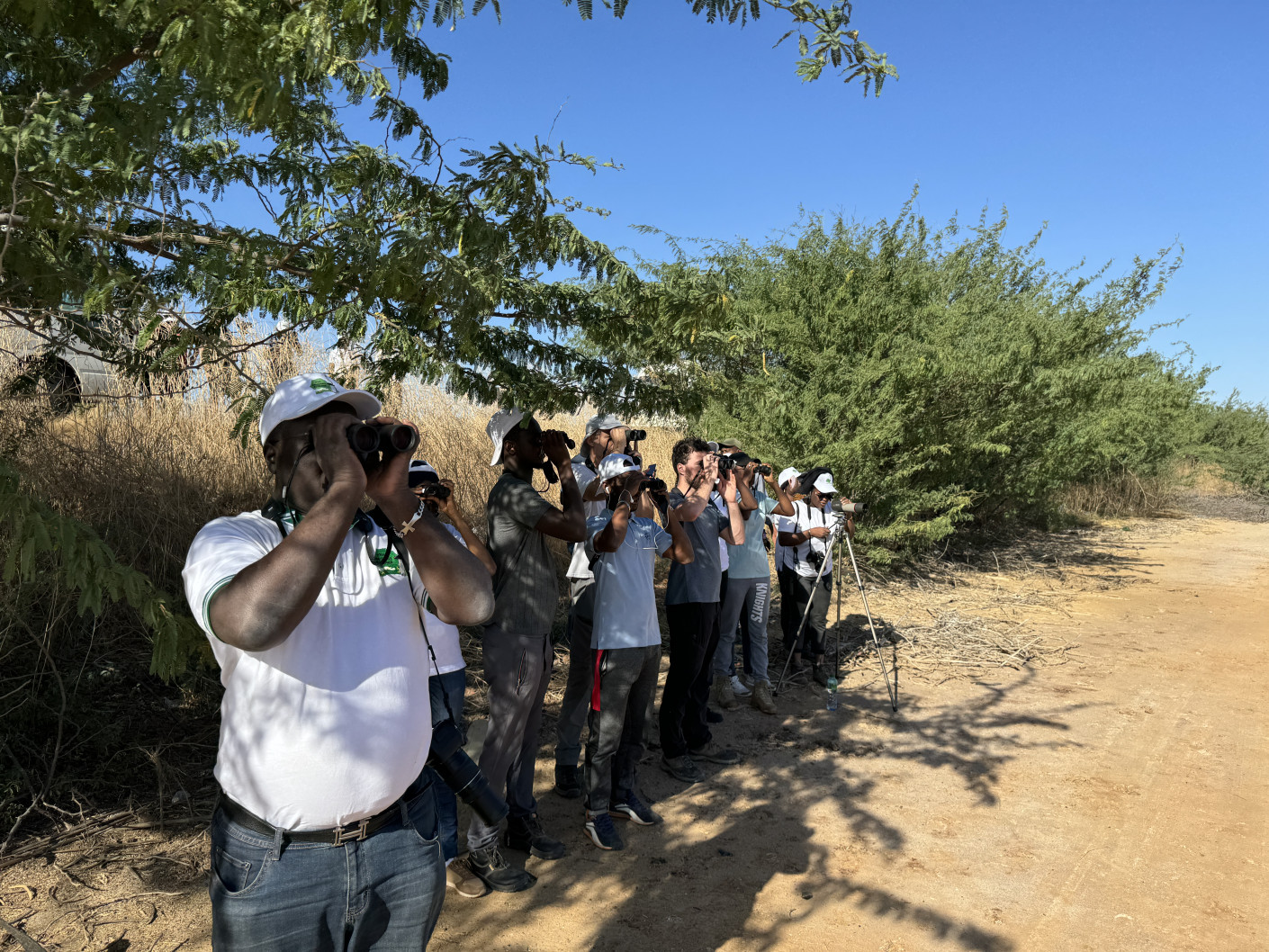
You will play a key role in strengthening conservation capacity across Africa by developing learning materials, supporting partners, facilitating knowledge exchange, and helping translate scientific evidence into effective conservation action across the African-Eurasian flyways.
- Develop, coordinate, and deliver capacity strengthening and outreach activities, including training courses, workshops, webinars, learning materials, practical guidance, and decision-support tools to strengthen partners’ ability to promote bird conservation and raise awareness of nature.
- Support the uptake and implementation of training materials and conservation approaches by building and maintaining strong and strategic partnerships with organisations, institutions, practitioners, and networks across Africa, empowering partners to apply knowledge, strengthen conservation practice, and deliver lasting impact.
- Contribute to reports, communication materials, funding proposals, and scientific publications, and collaborate with colleagues to ensure capacity development activities to support goals of the International Bird Conservation programme.
Your profile
- University degree in a relevant field such as Environmental Sciences, Conservation, International Development, Education, Social Sciences, or a related discipline.
- Proven experience in capacity development, training, facilitation or environmental education in an international context.
- Ability to develop and deliver training programmes and learning materials, and to translate scientific and technical knowledge into practical guidance for diverse audiences.
- Experience working with partners and stakeholders in Africa; an established professional network is an asset.
- Knowledge of bird conservation and citizen science approaches; familiarity with the avifauna of Sub-Saharan Africa and Europe is an advantage.
- Excellent facilitation, communication, networking, didactic, and intercultural collaboration skills, with the ability to engage diverse stakeholders.
- Fluency in English and French; additional languages, particularly German, are an asset.
- Self-motivated, collaborative, and comfortable working in an international environment.
We offer
We offer a diverse position with a lot of responsibilities in a diversified work environment. Furthermore, we offer family-friendly and flexible working times, good opportunities for further education and exemplary social benefits. This position is initially on a fixed-term contract for 5 years. Working place is Sempach.Are you interested?
The Swiss Ornithological Institutes values diversity of staff. We therefore consider all qualified applications. Further information can be provided by Alain Jacot, Head of ′International Bird Conservation′ framework programme or Reto Spaar, Head of regional offices .
We are looking forward to your application (motivation letter, CV, certificates) in a single PDF document submitted over our application portal by latest 24.09.2026. Other applications cannot be considered. Job interviews are scheduled by invitation for 14. and 15. october 2026.